
By CFH Insurance Consultants
Navigating “employee benefits” can be challenging, particularly for industries such as food manufacturing and logistics. Self-funded health plans have emerged as a viable option, offering customizability and potential cost savings. This article explores self-funded health plans tailored specifically for employers in Battle Creek, MI, highlighting their advantages, implementation strategies, and regulatory considerations. As employers seek to optimize healthcare costs while delivering adequate employee benefits, understanding these options becomes crucial. We will cover the prominent benefits of self-funded plans, how they can reduce expenses for companies in these sectors, and what unique challenges employers face when designing health plans.
Advantages of Self-Funded Health Plans
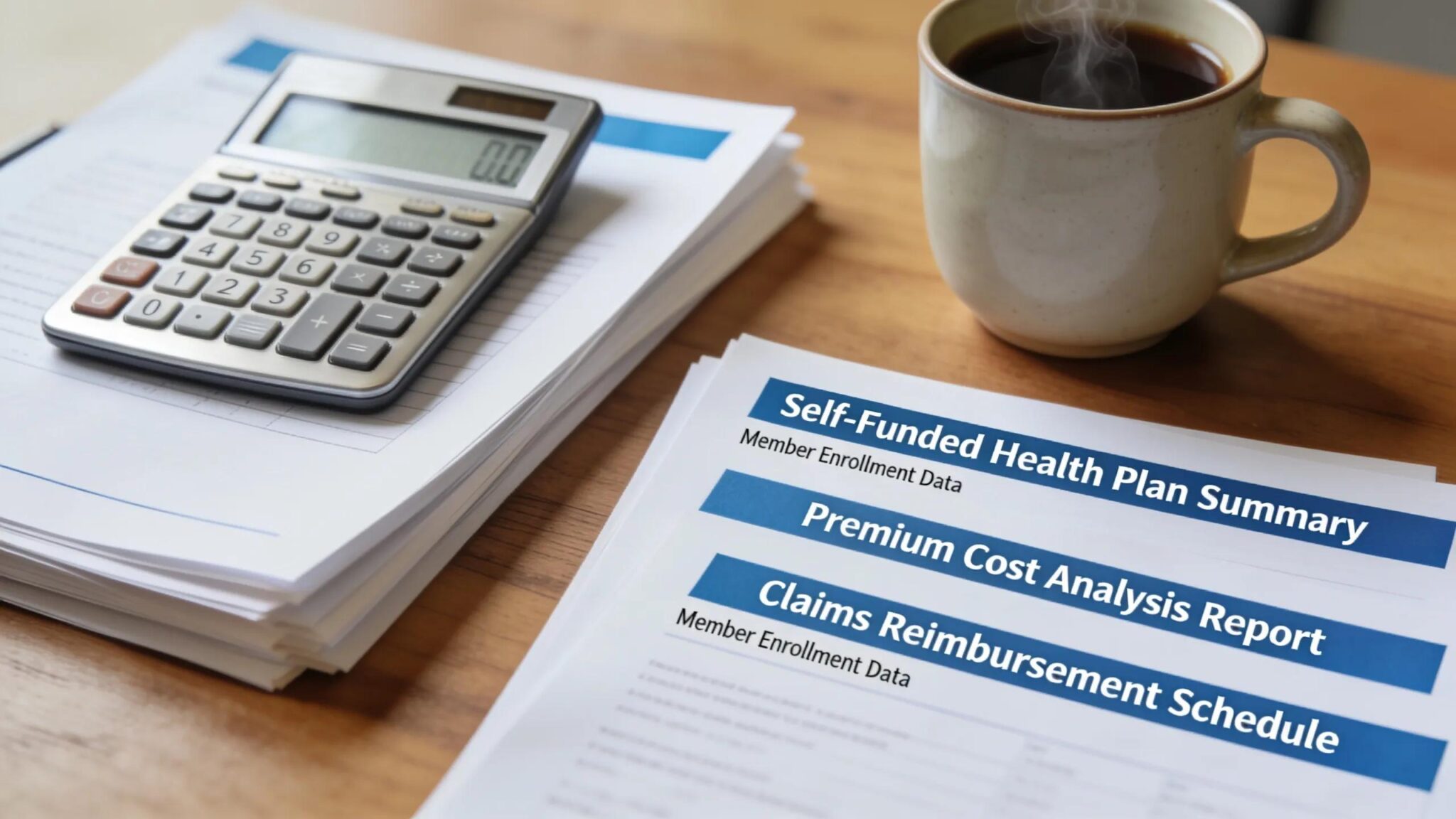
Self-funded health plans allow employers to manage healthcare costs while tailoring coverage to meet employees’ specific needs. One of the primary advantages is the potential for significant cost savings when compared to fully insured plans. Employers retain more control over their health plan, enabling customization that suits their workforce demographics and industry demands.
Moreover, self-funded plans provide greater claims transparency and cash flow management benefits. Employers can directly track healthcare claims and spending, understanding their financial commitments, which builds a clearer picture of their healthcare costs over time. As many food and logistics employers in Battle Creek optimize their health plans, self-funding stands out as a modern solution that blends financial savvy with employee care.
Academic research further supports the viability of these models as a strategic approach to managing employer-sponsored health risks.
Implementation Strategies
Implementing a self-funded health plan requires a strategic approach to ensure success. Here are the essential steps employers should consider:
- Conduct a Benefits Audit: Understanding current benefits and costs is crucial before transitioning to a self-funded model. Employers should analyze existing health plans to identify areas for improvement.
- Select a Stop-Loss Carrier: Stop-loss insurance is critical in mitigating the risk associated with high claims. Employers should evaluate potential carriers to find the best coverage options for their needs.
- Develop a Transition Plan: Moving to a self-funded model requires thorough planning. Implementing a transition plan ensures that all stakeholders understand changes and can adapt smoothly to the new system.
By following these steps, employers can effectively navigate the complexities of self-funded health plans, setting the stage for enhanced control and potential cost reductions.
Regulatory Considerations
Employers must remain vigilant about compliance when operating self-funded health plans. Key regulations include adherence to the Affordable Care Act (ACA) and Employee Retirement Income Security Act (ERISA) guidelines. Regular audits should be conducted to ensure compliance, particularly concerning benefit offerings and reporting requirements.
Maintaining accurate documentation is also vital in demonstrating compliance with regulatory standards. Awareness of applicable state and federal regulations helps employers avoid costly penalties. By prioritizing these compliance measures, businesses can maintain their operational integrity while providing comprehensive benefits to employees.
What are Self-Funded Health Insurance Plans and How Do They Benefit Battle Creek Employers?
Self-funded health insurance plans are arrangements where employers take on the financial risk of providing healthcare benefits to their employees. Instead of paying fixed premiums to an insurance carrier, employers pay for health expenses as they accrue. This flexibility allows for the customization of benefits tailored to specific workforce needs. By employing this model, Battle Creek employers can enjoy the benefits of increased flexibility and potential cost savings by directly managing their healthcare expenses.
How Do Self-Funded Plans Reduce Costs for Food Manufacturing and Logistics Companies?
Self-funded plans can significantly reduce costs for food manufacturing and logistics companies through several mechanisms:
- Customizable Benefits: Employers can tailor health plans to fit the specific needs of their workforce, which can lead to better utilization of health services and improved employee satisfaction.
- Reduced Premiums: By eliminating the insurer’s profit margin, companies often find their overall health spending decreases, particularly in a competitive industry where margins are tight.
- Claims Transparency: Direct oversight of claims allows employers to manage their spending effectively and identify areas for cost-saving.
These strategies are particularly relevant for Battle Creek’s employers, who operate in sectors that require diligent financial planning.
What Role Does Stop-Loss Insurance Play in Self-Funded Plans?
Stop-loss insurance provides essential financial protection for self-funded employers. It covers claims that exceed a predetermined amount, protecting the organization from excessively high medical claims. This safety net allows businesses to confidently self-fund their health plans while mitigating the risk of unpredictable healthcare expenses.
How Are Employee Benefit Plans Tailored for Food Manufacturing Employers in Battle Creek?

Tailoring employee benefit plans for food manufacturing employers requires a nuanced understanding of workforce challenges. Factors such as seasonal labor needs, health risks associated with food production, and employee demographics play a crucial role. Customized health plans can offer wellness programs focusing on chronic disease management and preventive care, addressing the specific needs of this workforce.
What Unique Challenges Do Food Industry Employers Face in Designing Health Plans?
Employers in the food industry face unique challenges, including fluctuating workforce size and specific health risks related to food handling. Designing health plans that accommodate seasonal employment trends while ensuring adequate coverage is essential. Additionally, addressing worker safety and compliance with health regulations further complicates benefit plan structuring.
Which Group Health Insurance Options Are Most Effective for Food Manufacturers?
Several “group health insurance” options are effective for food manufacturers, including:
- Self-Funded Plans: These offer flexibility and cost management through direct claims handling.
- Level-Funded Captives: Grouped risk-sharing can minimize costs while allowing customization, making it suitable for food manufacturing needs.
- Comprehensive Group Plans: While traditional, these plans can offer baseline coverage for seasonal workers who may not benefit from self-funding.
These options allow food manufacturing employers to navigate the complexities of providing effective health insurance in a challenging industry.
What Are the Best Health Insurance Solutions for Logistics Companies in Michigan?
Logistics companies often require health insurance solutions that prioritize flexibility and efficiency. Optimal health plans may include:
- Self-Funded Arrangements: Providing direct access to health costs which can be tailored to specific workforce needs.
- Employer-Sponsored Health Reimbursement Arrangements (HRAs): Allowing employers to reimburse employees for medical expenses tax-free.
- Flexible Spending Accounts (FSAs): Enabling employees to set aside pre-tax money for out-of-pocket medical expenses, supporting them in managing health costs.
The right combination of these solutions can significantly enhance employee satisfaction and retention.
How Do Self-Funded Plans Improve Employee Retention in Logistics Firms?
Self-funded plans often enhance employee retention by providing greater involvement in healthcare decisions. When employees see their employers committed to tailored health benefits, it fosters loyalty. Moreover, as self-funded plans can typically offer richer benefits due to cost savings, employees are more likely to feel valued and satisfied with their job, reducing turnover rates.
What Compliance and Regulatory Considerations Affect Logistics Health Plans in 2026?
In 2026, compliance with regulations will be critical for logistics health plans. Employers must stay informed about ACA mandates and ERISA requirements while ensuring that all documentation and processes adhere to existing laws. Regular training and audits will be necessary to maintain compliance and avoid penalties associated with non-compliance.
How Can Battle Creek Employers Optimize Cost Management with Self-Funded Health Plans?
Battle Creek employers can optimize cost management through several practices:
- Utilization Review: Monitoring medical services to ensure funds are allocated effectively.
- Data Analysis: Using claims data allows employers to pinpoint high-cost areas and adjust benefits accordingly.
- Wellness Programs: Implementing wellness initiatives encourages employee health, ultimately lowering healthcare costs.
By focusing on these strategies, businesses can achieve sustainable cost management while delivering valuable health benefits to employees.
What Are Common Cost Control Strategies in Self-Funded Benefits?
Employers often employ various cost-control strategies, including:
- Implementing wellness initiatives: To reduce overall healthcare utilization.
- Leveraging data analytics: To identify trends and opportunities for saving costs within claims management.
- Negotiating provider contracts: Allowing employers to maintain control over pricing and service quality.
How Do Quasi-Defined Contribution Plans Like QSEHRA and ICHRA Complement Self-Funded Plans?
Quasi-defined contribution plans, such as “QSEHRA and ICHRA”, can effectively complement self-funded plans by addressing specific healthcare costs for employees. These plans allow employers to provide tax-advantaged reimbursements for employees’ medical expenses, enhancing flexibility and personal choice in benefits.
Understanding how these complementary plans fit into the overall benefits strategy is essential for employers looking to maximize employee satisfaction while maintaining fiscal responsibility.
Frequently Asked Questions
Do you work with employers in Battle Creek?
Yes. CFH Insurance Consultants advises Battle Creek employers on group health insurance and employee benefits — plan design, carrier and funding comparisons, renewal negotiation, compliance and enrollment. We are licensed insurance brokers, and our work is benefits-only. Most engagements start with a review of your current plan and renewal.
Do we need a plan document if the carrier already gave us a booklet?
Yes. A carrier certificate or benefits guide is not a plan document. ERISA requires a written plan document and a summary plan description that tells employees who administers the plan, how claims and appeals work, and what their rights are. Many employers are surprised to learn their benefits guide does not satisfy this, and it is one of the more common gaps we find on a first review.
How does an ICHRA differ from a traditional group plan?
With an individual coverage HRA, the employer sets an allowance and employees buy their own individual coverage, which the employer reimburses tax-free. The employer gets a defined, predictable cost rather than a renewal that moves each year. The trade-offs are that employees shop for their own plan, and the arrangement has to be structured by employee class with proper notice, or it fails its own rules.
Can we offer a QSEHRA alongside a group health plan?
No. A QSEHRA is only available to employers that do not offer a group health plan to any employee. Employers who want to combine an allowance with group coverage are usually looking at an individual coverage HRA or a different arrangement instead, and the choice has consequences for employees’ eligibility for marketplace subsidies.