
By CFH Insurance Consultants
Navigating the world of “group health insurance” can be daunting for automotive suppliers and R&D employers in Auburn Hills, MI. Understanding how to optimize employee benefits is vital for staying competitive in attracting and retaining top talent. This article delves into the best strategies and practices in employee benefits consulting tailored specifically to the unique needs of organizations in the automotive and R&D sectors. With rising healthcare costs and evolving regulations, employers need expert guidance to select the most suitable health coverage options for their workforce.
Throughout the text, we will explore various strategies for enhancing “employee benefits”, regulatory considerations, and specialized insurance options tailored for suppliers and R&D employers. Additionally, we will examine the essential components of customized group health insurance plans and how supplemental benefits can further increase employee satisfaction and retention.
Strategies for Optimizing Employee Benefits
Employers aiming to provide competitive employee benefits can adopt several strategies to enhance their offerings. These strategies focus on tailoring benefits packages to meet the diverse needs of employees while ensuring they remain cost-effective for employers.
- Tailored Benefits Packages: Customizing benefits based on workforce demographics allows employers to meet the specific needs of their employees better.
- Advanced Funding Models: Implementing innovative funding strategies, like self-funded plans, can provide more flexibility and control over costs.
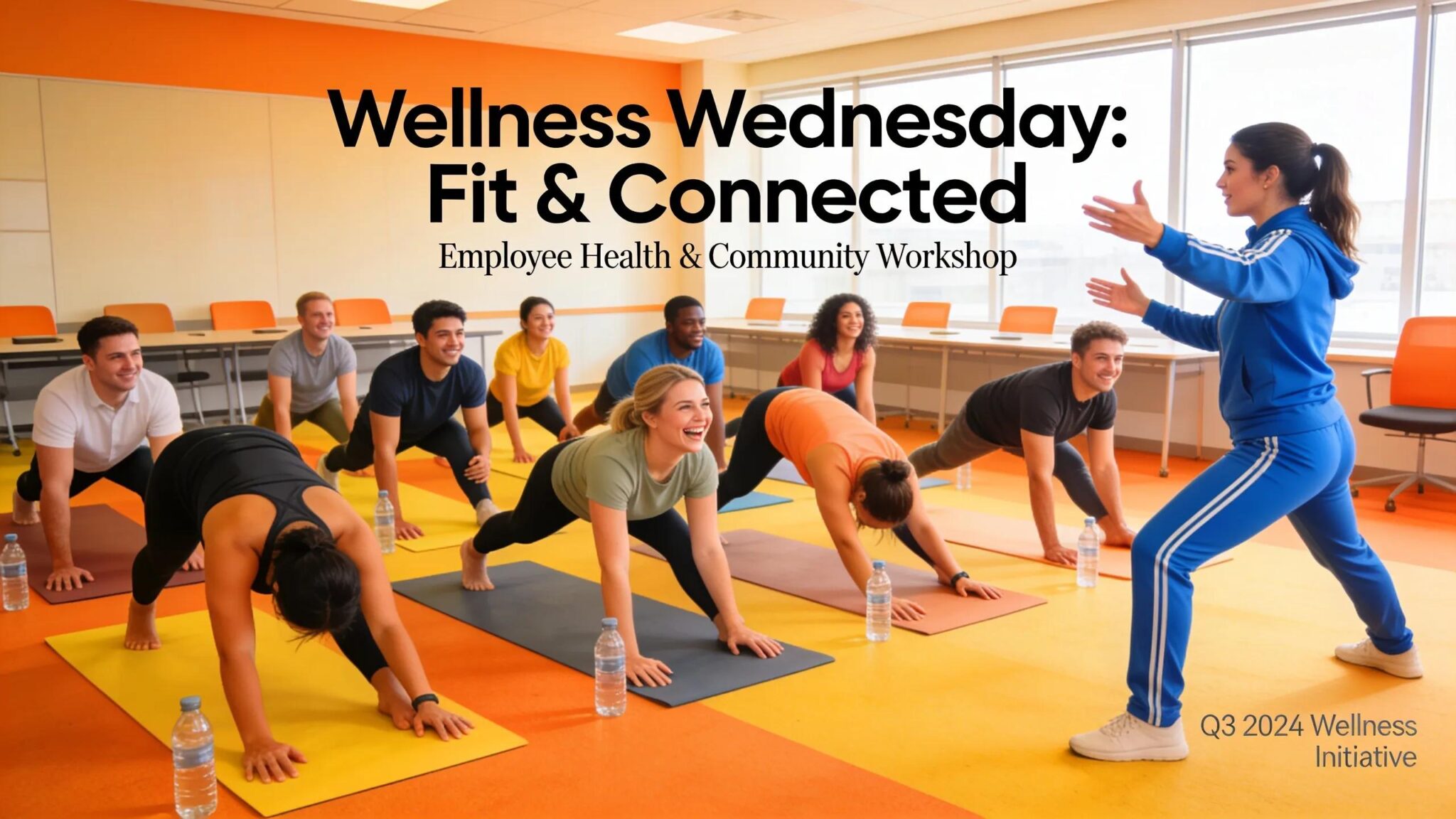
- Wellness Programs: Integrating wellness initiatives can lead to improved employee health and decreased long-term healthcare expenses, enhancing overall benefits effectiveness.
By considering these strategies, employers can build a more appealing benefits package that aligns with their organizational goals and employee needs.
Research consistently highlights the connection between proactive health initiatives and long-term organizational success regarding staff stability.
Best Practices
To ensure effective optimization of employee benefits, employers should follow best practices that promote sustainability and employee satisfaction. Establishing a structured approach to benefits management can create a more engaged and productive workforce:
- Regular Needs Assessments: Conducting comprehensive evaluations of employee preferences and needs can inform benefit offerings.
- Compliance Monitoring: Staying informed about relevant laws and regulations, like ACA and ERISA requirements, helps mitigate legal risks.
- Cost Management Strategies: Regularly reviewing and adjusting benefit programs to keep pace with market trends helps maintain financial viability.
Implementing these practices can lead to a culture of transparency and trust between employers and employees, ultimately fostering loyalty and engagement.
Regulatory Considerations
Understanding the regulatory environment surrounding employee benefits in Michigan is crucial for compliance and risk management. With healthcare laws constantly evolving, employers must stay informed about relevant regulations that impact their plans.
Key regulations include:
- ACA Compliance: The Affordable Care Act establishes essential health benefits and mandates that large employers provide coverage to employees.
- ERISA and COBRA: The Employee Retirement Income Security Act (ERISA) governs employee benefit plans, ensuring fiduciary responsibility and transparency.
- Michigan Earned Sick Time Act: This act requires employers to provide paid sick leave, which affects overall benefits strategy.
Keeping abreast of these regulations enables employers to design compliant, effective benefits plans that meet both employee needs and legal obligations.
What Customized Group Health Insurance Plans Are Best for Automotive Suppliers in Auburn Hills?
Automotive suppliers in Auburn Hills can benefit significantly from customized group health insurance plans designed to meet their unique challenges. Selecting the right plan involves considering multiple elements that align with industry standards and workforce requirements.
One popular option includes comprehensive group health insurance plans that allow for flexibility in coverage options. Tailoring these plans enables employers to offer competitive packages that can include both traditional coverage and reimbursement arrangements for medical expenses.
Which employee health benefits packages suit Auburn Hills automotive industry needs?
- HMO and PPO Benefits: Health Maintenance Organizations (HMOs) provide comprehensive care with lower premiums, while Preferred Provider Organizations (PPOs) offer broader choices in physicians and services.
- Level-funded and Self-funded Plans: These models allow employers more control over their benefit offerings, helping to manage costs while providing essential services.
Offering a mix of these packages can effectively cover diverse employee needs while adhering to budget constraints.
How do tailored group plans control costs and ensure compliance for suppliers?
Tailored group plans help automotive suppliers manage costs by:
- Customized Plan Design: Creating plans that directly address specific employee health trends and needs, reducing unnecessary expenditures.
- Compliance Management: Ensuring adherence to laws and regulations minimizes the risk of penalties and enhances operational efficiency.
- Wellness Programs: Including wellness initiatives promotes healthier lifestyles among employees, reducing long-term healthcare costs.
By implementing these strategies, suppliers can maintain a robust benefits structure while controlling costs.
How Do R&D Employers in Auburn Hills Benefit from Specialized Group Insurance Options?

R&D employers face unique challenges regarding employee retention and health plan design. Specialized group insurance options can help mitigate these challenges and enhance workforce satisfaction and productivity.
Key benefits of specialized solutions include:
- Cost Savings: Custom plans can address specific healthcare needs and reduce unnecessary expenses.
- Tailored Coverage: Designing benefits that resonate with R&D employees boosts morale, leading to improved retention rates.
- Employee Retention Strategies: Offering attractive health plans is crucial in a competitive talent market, allowing organizations to stand out.
By leveraging specialized group insurance options, R&D firms can cultivate a health-conscious workplace culture.
What are key health plan features supporting R&D workforce retention and compliance?
- Comprehensive Coverage: Including essential benefits like mental health services ensures employees feel valued and supported.
- Cost Management Features: Implementing transparent pricing and low deductibles makes participation more attractive.
- Flexible Plan Options: Allowing employees to choose between different coverage options fosters ownership over their health decisions.
Understanding these features allows R&D employers to effectively retain talent while adhering to compliance requirements.
How do case studies illustrate group insurance success in Auburn Hills R&D firms?
- Case Study A: A local R&D company saw increased employee retention by 20% after introducing a comprehensive health plan that included mental health resources.
- Case Study B: Another firm noted significant cost savings by transitioning to a self-funded plan, allowing greater flexibility in their benefits offerings.
These examples underscore the effectiveness of tailored group insurance plans in fostering a positive work environment.
What Should Employers Know About QSEHRA and ICHRA Health Reimbursement Arrangements?
Qualified Small Employer Health Reimbursement Arrangements (QSEHRA) and Individual Coverage Health Reimbursement Arrangements (ICHRA) are increasingly popular among employers looking for flexible health reimbursement options. These arrangements enable employers to reimburse employees for medical expenses while providing tax advantages.
For companies exploring these options, our team provides expert guidance on “QSEHRA and ICHRA” to ensure optimal administrative setup and compliance.
How do QSEHRA and ICHRA reduce costs for small automotive and R&D employers?
- Cost Control Mechanisms: Both plans allow employers to set reimbursement limits, managing budget expenses effectively.
- Employee Choice Benefits: Employees can select health plans that best suit their unique needs, enhancing satisfaction.
- Administrative Simplicity: Streamlined processes for reimbursements minimize administrative burdens for employers.
Implementing these structures can aid small companies in tailoring benefits without incurring excessive costs.
What compliance guidelines govern health reimbursement arrangements in Michigan?
- Eligibility Criteria: Employers must ensure their plans meet state and federal requirements.
- Contribution Limits: Staying within the contribution limits ensures compliance with tax regulations.
- Nondiscrimination Rules: Ensuring all employees have equal access to benefits prevents potential legal issues.
By understanding and following these compliance guidelines, employers can implement HRA plans effectively.
Which Supplemental Employee Benefits Enhance Group Plans: Dental, Vision, Disability, and Life Insurance?
Supplemental benefits can significantly enhance group health insurance plans by providing comprehensive coverage options. These benefits are essential for improving overall employee satisfaction and retention.
Offering supplementary options like “dental, vision”, “disability, and life insurance” ensures employees feel secure in their health care. Specifically, these benefits:
- Dental and Vision Insurance Benefits: Covering essential services such as routine examinations and corrective lenses encourages employees to maintain their health proactively.
- Disability and Life Insurance Roles: Providing financial protection in the event of unforeseen circumstances supports employee well-being.
- Impact on Employee Satisfaction: Including these options creates a more attractive benefits package, making firms competitive in the job market.
How do supplemental benefits improve employee satisfaction in Auburn Hills businesses?
Providing comprehensive supplemental benefits greatly enhances employee satisfaction by boosting overall benefits attractiveness. Employees appreciate a package that addresses various aspects of their well-being, contributing to a healthier workplace and minimizing turnover.
What options are available for integrating these benefits into existing group plans?
- Bundling Options: Offering benefits as a package at a discounted rate can increase participation.
- Voluntary Benefits: Providing optional supplemental coverage allows employees to customize their benefits according to personal needs.
- FSA and HRA Integration: Aligning these accounts with supplemental offerings encourages employee use and maximizes benefits engagement.
By creatively integrating supplemental benefits, employers can enhance their health plans while improving overall employee satisfaction.
to discuss how we can support your organizational benefits strategy.
Frequently Asked Questions
Do you work with employers in Auburn Hills?
Yes. CFH Insurance Consultants advises Auburn Hills employers on group health insurance and employee benefits — plan design, carrier and funding comparisons, renewal negotiation, compliance and enrollment. We are licensed insurance brokers, and our work is benefits-only. Most engagements start with a review of your current plan and renewal.
Which employers have to offer COBRA?
COBRA generally applies to employers with 20 or more employees on more than half the typical business days in the prior year. Smaller employers are not subject to federal COBRA, though state continuation rules may apply. The count includes part-time employees on a fractional basis, so it is worth checking rather than assuming.
When does Form 5500 apply to a health plan?
Generally once a welfare plan covers 100 or more participants at the start of the plan year, though the details depend on how the plan is funded. The deadline runs from your plan year end, with an extension available. Employers who have grown past 100 participants without filing usually do not discover it until a renewal review, and there is a correction program for late filers.
How does an ICHRA differ from a traditional group plan?
With an individual coverage HRA, the employer sets an allowance and employees buy their own individual coverage, which the employer reimburses tax-free. The employer gets a defined, predictable cost rather than a renewal that moves each year. The trade-offs are that employees shop for their own plan, and the arrangement has to be structured by employee class with proper notice, or it fails its own rules.