
A Workforce That Lives in Two States
When staff commute over the bridge from Marinette and the surrounding Wisconsin towns, the obligations that attach to them do not all follow your Michigan address. Continuation coverage, leave entitlements and various state-level notice requirements key off where the employee physically works and, for some purposes, where they reside. Two people doing identical jobs at the same plant can sit under different rules.
The practical version of this is a short audit rather than a legal treatise: list every employee by work location and home state, and check each line against the requirement that actually applies. It takes an afternoon once and then it stays right until your footprint changes.
Provider Access Across the State Line
Network design is the second half of the same problem. A Michigan carrier network can be thin on the Wisconsin side, and staff who already use clinics and specialists across the river will discover that at the worst moment. Before comparing premiums, check each network against where your people genuinely seek care. In a border town this single check is worth more than a point or two on the rate.
Coverage Structures Worth Comparing Here
Preferred Provider Designs
which cost more but keep out-of-area care usable when your roster spans two states
Health Maintenance Designs
cheaper and only sensible if the network reaches both sides of the river
Consumer-Directed Plans with a Savings Account
which suit a workforce that moves between employers in a small labor market
A Defined Allowance Toward Individual Coverage
one route for a manufacturer with a handful of salaried staff and a larger hourly group
Rules Worth Getting Right in a Small Border City
Federal continuation coverage begins at twenty employees; Michigan adds no state
level requirement beneath that, but a neighboring state may reach your resident employees
The Offer-Of-Coverage Duty Starts Once You
The offer-of-coverage duty starts once you average fifty full-time equivalents in the prior calendar year, counted across related entities rather than per plant
Prescription Drug Status Must Be Disclosed to Medicare
eligible staff before the middle of October each year, with no exemption for small employers
A Self-Funded or Level-Funded Arrangement Adds
A self-funded or level-funded arrangement adds a per-covered-life fee each July and medical non-discrimination testing
What Menominee Employers Ask Us
Half our crew lives in Wisconsin. Does that change our plan?
It changes which network is workable and which state rules touch which people. It does not stop you running a single Michigan-sited group plan, which is what most employers here end up doing.
Can a manufacturer of our size self-fund?
Sometimes, and the test is steadiness rather than headcount. A reconciliation you cannot fund in a bad quarter is not a saving.
A Border Workforce on the Menominee River
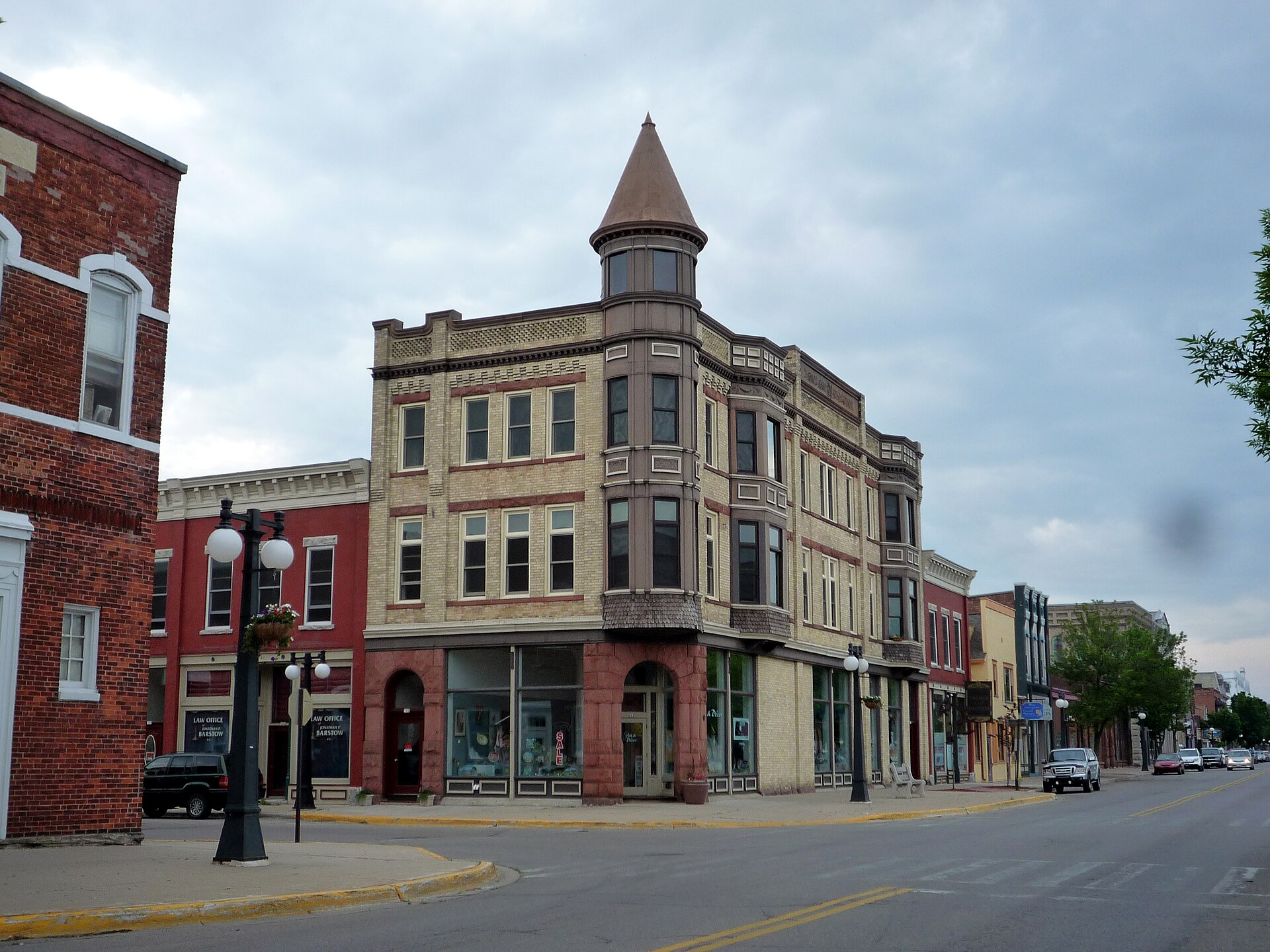
Menominee is the county seat of Menominee County, with 8,488 residents at the 2020 census, and the southernmost city in Michigan’s Upper Peninsula. It sits at the mouth of the Menominee River on Green Bay, directly across from Marinette, Wisconsin, and the two cities share a hospital, a chamber of commerce, and a newspaper. Local manufacturing includes Enstrom Helicopter Corporation and Lloyd Flanders, a wicker furniture maker that has operated from the same facility for more than a century, while larger regional employers such as Fincantieri Marinette Marine sit across the river. The shared hospital, Aurora Medical Center – Bay Area in Marinette, has 167 beds. Daily life here crosses a state line, and so do provider networks.
Build Networks That Cross the River
The area’s main hospital is in Marinette, Wisconsin, and Green Bay is about an hour south on US 41. We check that your plan treats Wisconsin providers as in network rather than as out-of-area exceptions, so employees are not surprised by bills for routine local care.
Handle Two-State Workforce Questions
Employees who live in Wisconsin and work in Michigan, or the reverse, can raise questions about continuation coverage, state mandates, and individual market options. We explain which rules apply to your plan and what that means for enrollment, COBRA, and state continuation. We also check how COBRA notices apply to your group.
Protect Skilled Manufacturing Workers
Helicopter, furniture, and shipbuilding trades take years to learn, and long-tenured staff are hard to replace. We compare disability and life coverage that protects their income and supports retention, and we explain how voluntary options can extend coverage at a modest employer cost. You see what each option costs.
Weigh ICHRA Across State Lines
For smaller employers, an individual coverage HRA lets each employee buy a plan in their own state’s marketplace. We explain how ICHRA handles a workforce split between Michigan and Wisconsin and compare it with a group plan built around a regional network. You see the trade-offs in plain terms.
Start With the Renewal Letter
Bring us the renewal letter, the current plan summary, the contribution split by tier and the enrolled counts by tier — two more documents if you are at fifty or above — and we will tell you what the number is actually made of. Call 248.370.8853 or write to info@cfhic.com.
Start the Review Email info@cfhic.com Call 248.370.8853
An independent employee benefits consulting firm. We look at the entire benefits program — cost, plan performance, risk and administration.
Bloomfield Hills, MI 48304
248.370.8853
Colorado Springs, CO 80921
719.425.2649
Houston, TX 77084
281.404.5670
Questions We Get
Do you work with employers in Menominee?
Yes. CFH Insurance Consultants advises Menominee employers on group health insurance and employee benefits — plan design, carrier and funding comparisons, renewal negotiation, compliance and enrollment. We are licensed insurance brokers, and we look at the entire benefits program — cost, plan performance, risk and administration. Most engagements start with a review of your current plan and renewal.
